Choosing the right type of charcoal can significantly impact cooking efficiency, flavor, and environmental sustainability. Among the options available, coconut charcoal has been gaining attention as a superior alternative to traditional wood charcoal. Many consumers and chefs ask: is coconut charcoal better than wood charcoal? This question often comes up when comparing coconut briquettes vs charcoal, as both are widely used for grilling and cooking. In this article, we will compare these two types of charcoal and explore their benefits, drawbacks, and best uses.
What Is Coconut Charcoal?
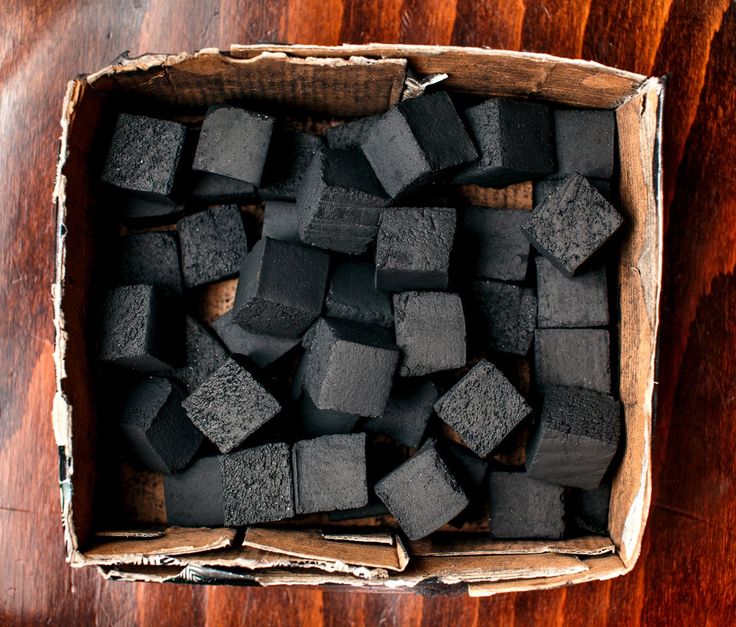
Coconut charcoal is made from the hard shells of coconuts through a process called pyrolysis, where shells are burned in a low-oxygen environment. The result is a dense, carbon-rich fuel that burns hotter and longer than many other types of charcoal. Coconut charcoal is often sold in briquette form, making it easy to use for cooking, grilling, or industrial purposes.
In contrast, traditional wood charcoal is made from hardwood or softwood logs. While it has been used for centuries, it typically burns faster, produces more smoke, and may contain chemical residues depending on the production process.
Advantages of Coconut Charcoal
1. Higher Heat and Longer Burn Time
Coconut charcoal is dense and highly carbonized, which allows it to burn at a higher temperature for a longer period. This makes it ideal for grilling, barbecues, and any cooking method that requires consistent heat. Compared to wood charcoal, it reduces the need for frequent refueling and provides more even cooking.
2. Cleaner Burn
One of the main advantages of coconut charcoal is its low smoke and ash production. It burns cleanly, leaving minimal residue behind. This not only keeps cooking areas cleaner but also reduces harmful emissions, making it a healthier choice for indoor and outdoor cooking.
3. Environmentally Friendly
Coconut charcoal is a byproduct of the coconut industry, utilizing shells that would otherwise go to waste. Its production does not contribute to deforestation, unlike wood charcoal, which often relies on cutting trees. Choosing coconut charcoal supports sustainable practices and promotes a circular economy.
Coconut Briquettes vs Charcoal
When comparing coconut briquettes vs charcoal, several factors stand out:
- Consistency: Coconut briquettes are uniform in size and density, ensuring even heat distribution.
- Ease of Use: Briquettes are easier to handle and light compared to irregular wood charcoal pieces.
- Cost Efficiency: Although slightly more expensive upfront, coconut briquettes burn longer and more efficiently, saving fuel over time.
These advantages make coconut briquettes particularly attractive for restaurants, catering services, and home cooks who want reliable performance with minimal hassle.
Disadvantages of Coconut Charcoal
While coconut charcoal has many benefits, it may not be suitable for all situations. It can be more expensive than wood charcoal, especially in regions where coconut shells are less abundant. Additionally, some users may prefer the smoky aroma produced by wood charcoal for certain traditional dishes, which coconut charcoal may not fully replicate.
Conclusion
So, is coconut charcoal better than wood charcoal? For most practical purposes, the answer is yes. Its higher heat output, long burn time, cleaner emissions, and sustainable production make it an excellent alternative to wood charcoal. Whether you are grilling at home, running a restaurant, or producing activated charcoal, coconut charcoal and especially coconut briquettes offers a superior, eco-friendly, and efficient solution.
By choosing coconut briquettes vs charcoal, consumers not only enjoy better cooking performance but also support environmentally responsible practices and sustainable industry growth.
Get high-quality charcoal today click the link yentit.com !