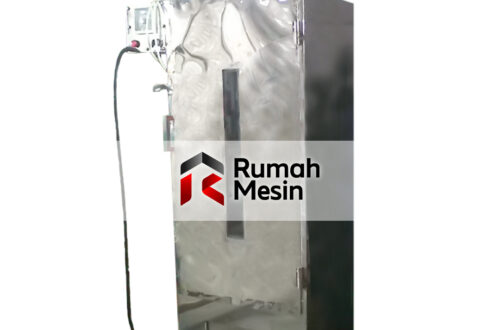
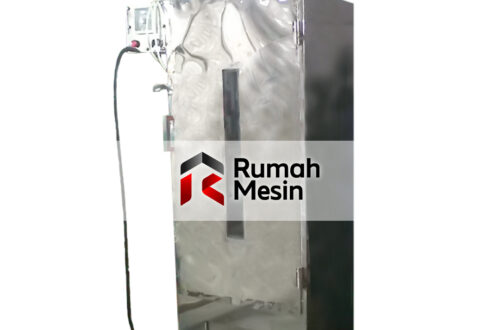
Global demand for hookah products continues expanding across hospitality and international distribution markets worldwide. Manufacturers must improve efficiency to meet increasing bulk export requirements. A shisha charcoal burner plays a critical role in modern carbonization systems. Advanced equipment ensures controlled heating and predictable charcoal quality outcomes. Industrial technology reduces production risks associated with inconsistent manual burning methods. Understanding machinery performance helps producers scale operations for competitive export markets.
Why Shisha Charcoal Burner Is Essential in Manufacturing
Carbonization represents the foundation of high quality charcoal briquette production. Precise heat control determines final carbon content and structural durability. Traditional open burning methods often create uneven and unreliable results. Modern systems provide stable temperatures throughout the entire carbonization cycle.
Controlled environments reduce material waste and improve overall raw material efficiency. Consistent carbon structure supports later crushing and pressing processes. Professional equipment strengthens manufacturing credibility for international buyers.
Types of Shisha Charcoal Burner Used in Industry
Different production scales require specific burner technologies and system configurations. Traditional kiln systems remain common in small scale operations. Rotary carbonization furnaces offer improved airflow and temperature distribution. Continuous carbonization machines enable higher output for export focused factories. Automated systems allow better monitoring through digital control panels. Choosing appropriate technology depends on production targets and budget allocation.
How Shisha Charcoal Burner Improves Production Efficiency
Efficient machinery increases output while maintaining consistent quality standards. Stable heating accelerates processing time without compromising structural integrity. Manufacturers who understand how to make shisha charcoal prioritize reliable combustion systems. Optimized carbonization reduces rejected batches and production downtime significantly. Advanced airflow design supports uniform heat penetration across raw materials.
Temperature Control with Shisha Charcoal Burner
Accurate temperature regulation ensures proper transformation of coconut shells. Balanced heating prevents underburned cores and fragile outer layers. Controlled carbonization improves density required for premium briquettes.
Fuel Efficiency and Emission Control
Modern systems reduce excessive fuel consumption during extended production cycles. Improved insulation minimizes heat loss and operational expenses. Emission management technology supports environmentally responsible manufacturing practices.
Consistent Output Quality
Uniform carbon structure simplifies downstream crushing and mixing stages. Stable results enable predictable pressing and shaping performance. Reliable output strengthens long term relationships with international distributors.
Choosing the Right Shisha Charcoal Burner for Export Scale
Export oriented factories require equipment with sufficient daily production capacity. Automation features improve monitoring and reduce dependency on manual supervision. Durable construction materials extend operational lifespan under intensive workloads. Technical support availability ensures rapid maintenance and minimal downtime. Energy efficiency should align with sustainable production objectives. Strategic investment in machinery enhances competitiveness within global briquette markets.
Market Demand for Advanced Shisha Charcoal Production Equipment
The global charcoal briquette industry continues expanding alongside hookah culture growth. Producers increasingly seek automated systems to support container scale shipments. International buyers prefer suppliers using modern and efficient production technologies. Environmental awareness encourages adoption of cleaner carbonization solutions worldwide. Technological innovation remains essential for long term industry sustainability.

Penulis