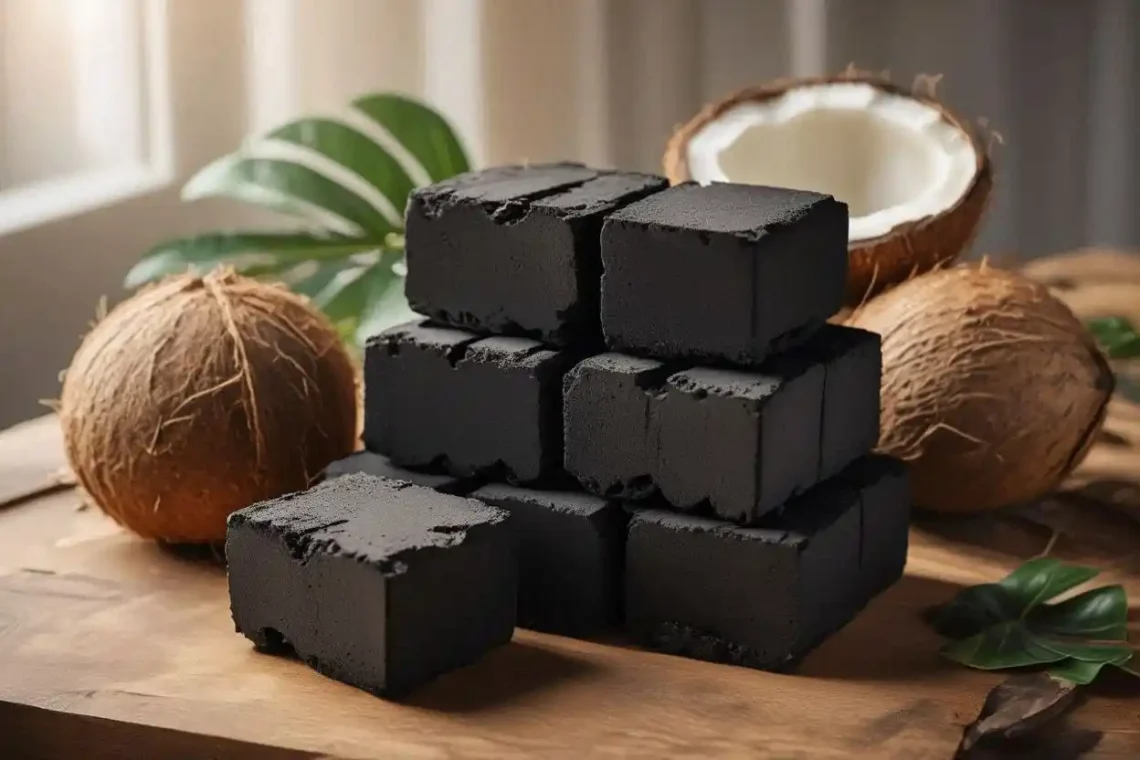
The global demand for eco-friendly fuel continues to rise steadily. As a result, sustainable coconut shell charcoal briquettes have gained significant attention from both consumers and businesses worldwide. Indonesia, as one of the largest coconut-producing countries, sits at the center of this growing industry. Therefore, understanding what makes these briquettes special is essential for anyone entering this market.
Why Sustainable Coconut Shell Charcoal Briquettes Matter
Traditional charcoal production often contributes to deforestation and carbon emissions. In contrast, coconut shell charcoal uses agricultural waste that would otherwise go unused. Consequently, this approach significantly reduces environmental impact without sacrificing fuel performance. Furthermore, the production process requires no additional tree cutting, making it a genuinely renewable energy source.
Because of these environmental benefits, many governments and international buyers now actively prefer coconut shell charcoal over conventional wood charcoal. This shift in preference also opens wider export opportunities for Indonesian producers.
Key Benefits for Buyers and Businesses
Beyond sustainability, these briquettes offer outstanding performance characteristics. In fact, coconut shell charcoal consistently outperforms many conventional charcoal types in several areas. Here are the key benefits buyers and businesses should know:
- High calorific value, delivering efficient and long-lasting heat output
- Low ash content, typically below 3%, reducing cleanup and waste
- Minimal smoke production, making it suitable for indoor and outdoor use
- Odorless burning, which preserves the natural flavor of food or tobacco
- Consistent shape and density, ensuring reliable performance every session
- Eco-certified options available for international market compliance
Moreover, the compact briquette form makes packaging, shipping, and storage far more efficient than loose charcoal. As a result, logistics costs remain manageable even for large-scale export orders.
How Producers Make Coconut Shell Charcoal
The production process starts with collecting coconut shells from agricultural and food processing facilities. Subsequently, producers carbonize the shells at high temperatures inside controlled kilns. This step removes moisture and volatile compounds, leaving behind pure carbon material.
After carbonization, the carbon is ground into fine powder and mixed with a natural binder, usually tapioca starch. Then, machines press the mixture into uniform briquette shapes. Finally, producers dry the briquettes thoroughly before packaging for export. Because each step follows strict quality controls, the final product meets international standards consistently.
For businesses exploring this sector, indobriquettescharcoal provides a wide range of blog posts covering production insights, export guidance, and market trends worth reading.
Sustainable Charcoal Briquettes in the Hookah Industry
The hookah and shisha industry represents one of the largest markets for coconut shell charcoal globally. In particular, lounge owners and distributors prefer this charcoal type because it burns cleanly without altering flavor profiles. Additionally, the long burn duration reduces the need for frequent charcoal changes during sessions.
Many premium Shisha charcoal products available today rely on Indonesian coconut shell briquettes as their core material. Furthermore, the growing demand from the Middle East, Europe, and North America continues to push Indonesian exporters toward higher production standards and certifications.
Because buyers in these regions value both quality and sustainability, Indonesian producers who meet both criteria gain a strong competitive advantage in global markets.
Conclusion
Overall, sustainable coconut shell charcoal briquettes represent a smart intersection of environmental responsibility and high product performance. They offer clean burning, long-lasting heat, and minimal waste, which makes them attractive across multiple industries. Choosing this type of charcoal also supports a circular agricultural economy by turning waste into valuable fuel. In conclusion, whether you are a business owner, distributor, or conscious consumer, understanding the value of sustainable coconut shell charcoal briquettes helps you make better, more informed decisions for the long term.