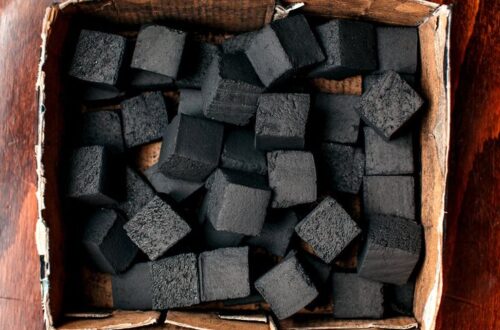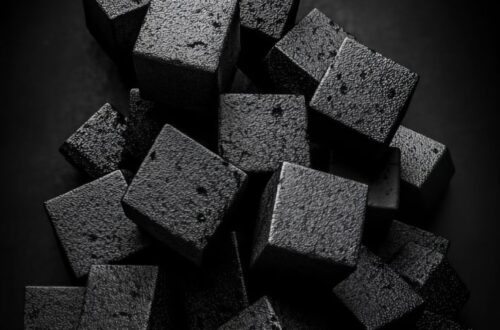
Food safety has become a critical priority in modern culinary industries, especially as restaurants, catering services, and food manufacturers seek cleaner and safer cooking fuels. Food safe charcoal Indonesia emerges as a reliable solution for businesses that require consistent heat without compromising food quality, taste, or safety standards. Produced from carefully selected natural materials, this type of charcoal is designed specifically for direct food-contact cooking environments.
Unlike conventional charcoal, food safe charcoal from Indonesia is processed under controlled conditions to minimize impurities, chemical residues, and excessive smoke. With Indonesia’s long-standing expertise in charcoal production and access to high-quality natural resources, Indonesian producers are well-positioned to supply charcoal that meets the expectations of professional kitchens and international food safety requirements.
Food Safe Charcoal for Professional Cooking
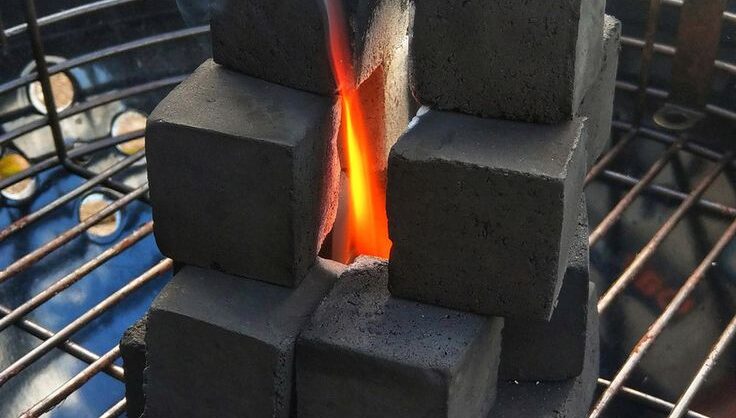
Food safe charcoal Indonesia is widely used in professional cooking environments where hygiene, consistency, and flavor preservation are essential. Its clean-burning properties make it suitable for direct grilling and food preparation.
Key reasons culinary professionals choose food safe charcoal include:
-
Minimal smoke and odor, preserving natural food flavor
-
Low ash content, reducing contamination risk
-
Stable heat output for precise cooking control
These characteristics support safe and efficient culinary operations.
Culinary Applications of Food Safe Charcoal
Food safe charcoal is suitable for a wide range of culinary applications that require direct heat contact.
Common applications include:
-
Restaurants and professional kitchens
-
BBQ and grilling operations
-
Catering and outdoor food services
Its versatility makes it a preferred choice across different food service environments.
Production Standards Behind Food Safe Charcoal
Strict production standards are essential for ensuring food safety. Food safe charcoal Indonesia is manufactured using controlled carbonization processes that reduce harmful residues and impurities.
Production standards typically include:
-
Selection of natural, uncontaminated raw materials
-
Controlled carbonization to ensure purity
-
Quality inspection before packaging and distribution
These steps help maintain consistent food-safe quality across batches.
Quality Control and Hygiene Assurance
Quality control plays a crucial role in food safe charcoal production. Products are monitored throughout processing to ensure compliance with hygiene and safety requirements.
Careful handling, clean storage conditions, and sealed packaging help prevent external contamination, ensuring charcoal arrives ready for safe culinary use.
Sustainability Value of Food Safe Charcoal
Sustainability enhances the value of food safe charcoal Indonesia. Many producers utilize renewable raw materials such as coconut shells, turning agricultural by-products into safe and efficient cooking fuel.
Sustainability benefits include:
-
Reduced environmental impact
-
Lower reliance on wood-based charcoal
-
Support for local farming communities
These benefits align with global sustainability goals and responsible food production practices.
Global Demand for Food Safe Charcoal
Food safe charcoal Indonesia continues to gain demand in international markets, particularly in regions with strict food safety regulations. Restaurants and food service providers seek reliable charcoal that supports compliance and consistent cooking results.
Digital trade platforms such as jacoid.com help connect Indonesian food-safe charcoal suppliers with global buyers, improving transparency and access to verified producers. These connections support long-term partnerships and stable supply chains.
Conclusion
Food safe charcoal Indonesia offers a dependable solution for culinary professionals seeking safe, clean, and consistent cooking fuel. With controlled production processes and strong quality standards, Indonesian suppliers deliver charcoal that supports food safety and operational efficiency.
For businesses prioritizing hygiene, sustainability, and cooking performance, Indonesian natural charcoal provides long-term value. As global culinary standards continue to rise, Indonesia remains a trusted source for food-safe charcoal in international markets.