Hookah, also known as shisha, has grown into a global social activity enjoyed in homes, lounges, and cafes. A crucial component that determines the quality of a hookah session is the charcoal used. From Raw Materials to Hookah, understanding shisha charcoal making helps enthusiasts appreciate how high-quality charcoal influences flavor, heat consistency, and safety.
What Is Shisha Charcoal?
Shisha charcoal is a specialized fuel designed to heat shisha tobacco without directly burning it. Unlike regular grilling charcoal, it provides a consistent heat source, minimal odor, and a long-lasting burn. Its primary purpose is to vaporize the tobacco evenly, producing smooth and flavorful smoke. The quality of shisha charcoal affects the overall hookah experience, from taste to session duration.
Charcoal types include natural, quick-light, and briquette varieties, each with unique characteristics. Natural charcoal is made from coconut shells or hardwood, providing clean flavor and long burn. Quick-light charcoal contains accelerants for easy ignition but may introduce initial chemical odors. Briquette charcoal is compressed from sawdust or wood, offering uniform burn and steady heat.
The Raw Materials
The first stage of shisha charcoal making is selecting the right raw materials. Coconut shells are popular for natural charcoal because they burn cleanly and produce minimal ash. Hardwood provides durability and long-lasting heat. For briquette charcoal, sawdust or other organic materials are compressed with natural binders to create uniform blocks. The choice of raw materials directly influences the quality, burn time, and safety of the final product.
The Manufacturing Process
Shisha charcoal making involves several key steps:
- Carbonization – Raw materials are heated in the absence of oxygen to remove moisture and volatile compounds, leaving pure carbon.
- Grinding and Sieving – Carbonized material is ground into uniform particles to ensure even burning.
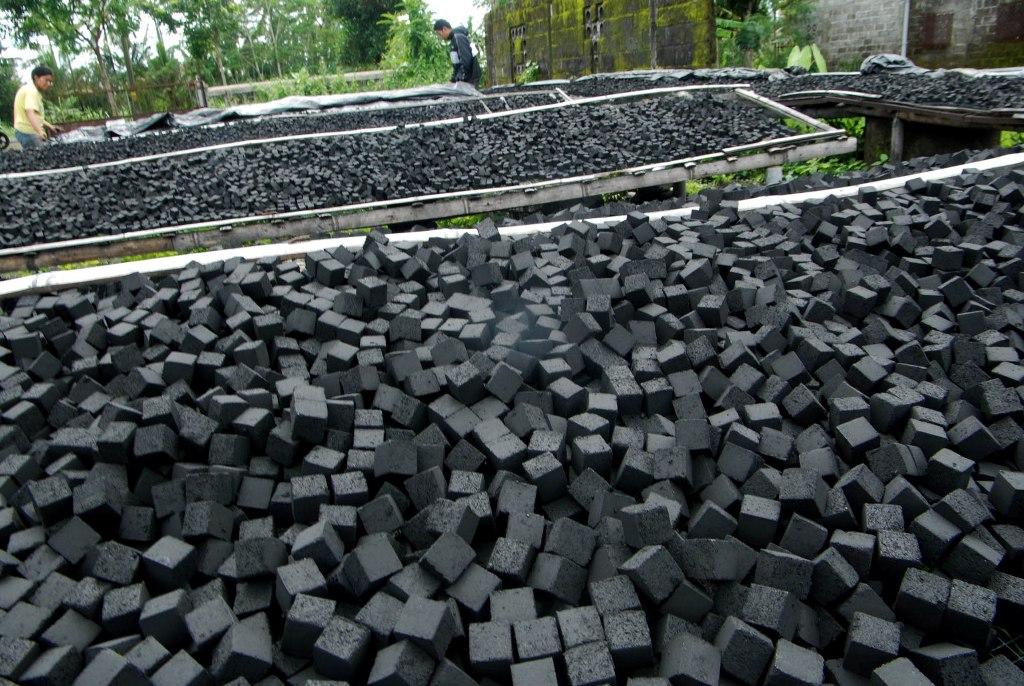
- Forming Briquettes – For briquettes, powdered carbon is pressed into blocks with natural binders.
- Drying and Packaging – The finished charcoal is dried to remove residual moisture, then packaged to maintain quality.
This careful process ensures the charcoal provides consistent heat and enhances the smoking experience.
Using Shisha Charcoal Safely
While high-quality charcoal is essential for flavor, safety should always come first. Handle hot charcoal with tongs, use it in a well-ventilated area to prevent carbon monoxide exposure, and dispose of ash safely. Avoid leaving burning charcoal unattended to reduce fire risk. Proper heat management also ensures the tobacco does not burn too quickly, preserving flavor and aroma.
Conclusion
From selecting raw materials to the finished product, shisha charcoal making plays a vital role in every hookah session. Choosing the right type of charcoal and using it safely ensures smooth, flavorful, and enjoyable smoking experiences. By understanding the process, enthusiasts can make informed choices, maximize flavor, and enjoy longer, safer hookah sessions.
Click yukirai.com to explore more expert tips on shisha charcoal and enhance your next hookah experience!