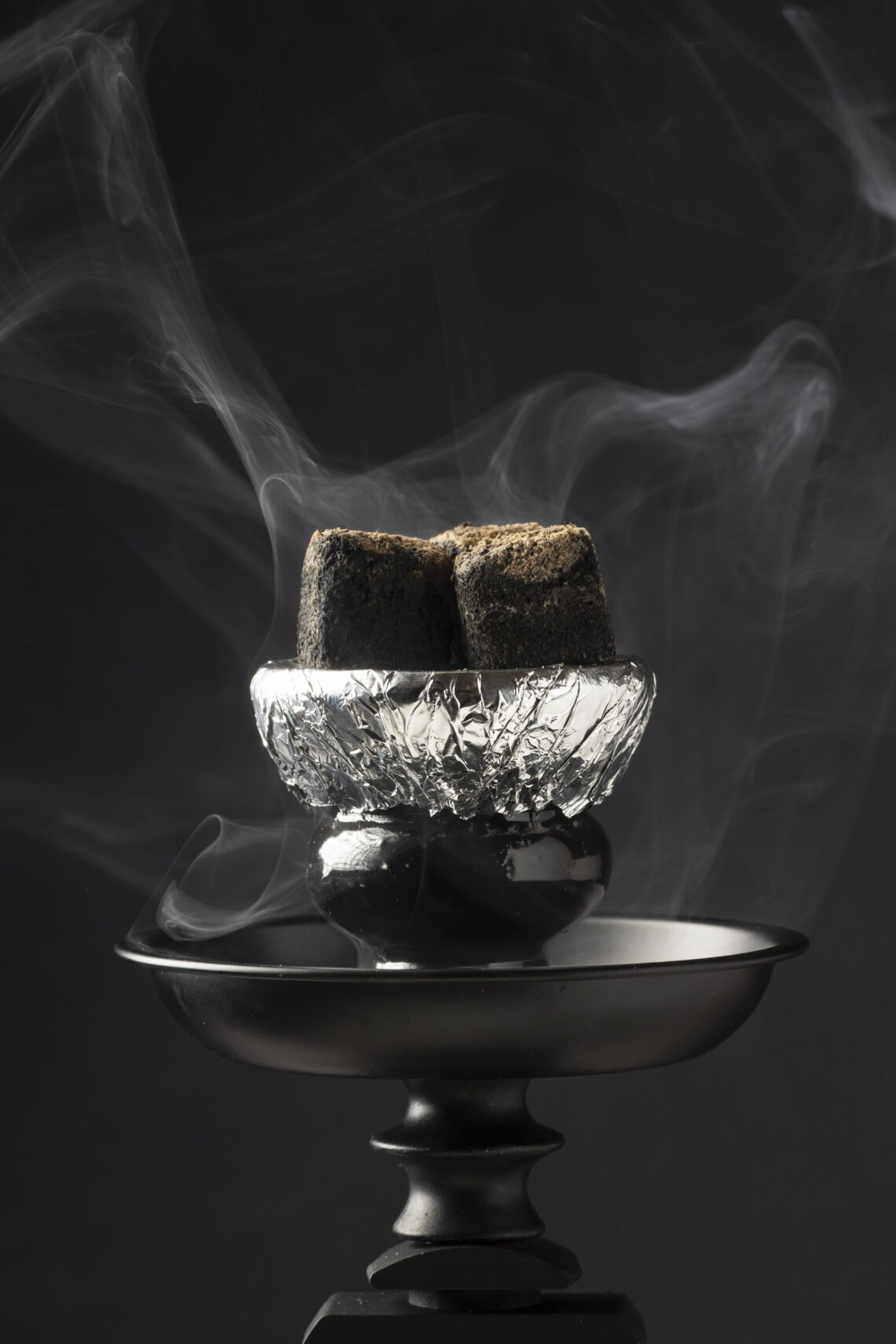
Premium cube shape shisha charcoal shipments from Indonesia are done via sea freight using 20″ or 40″ containers. Charcoal must fill the container completely due to safety rules and cannot be shipped as LCL.
Air freight is costly and impractical, and using pallet shipping can be more expensive than the product itself. Full container shipments align with factory batch production (minimum 2.5 tons) of Premium cube shape shisha charcoal.
How to Deliver or Ship Coconut Charcoal Briquettes
Coconut charcoal is shipped as full container loads (FCL) only and is often treated as dangerous goods by shipping lines. Containers are safely stored to prevent hazards during transit.
A 20″ container holds up to 20 tons of cube briquettes with minimal packaging, while 40″ containers can hold 25–26 tons. Bulk or master box packaging affects container capacity slightly.
Premium cube shape shisha charcoal in Bulk Orders
Bulk buyers typically order a 20″ container (17 tons) or 40″ container (25–26 tons) for international shipments. Choosing Premium cube shape shisha charcoal ensures consistent burn, low ash, and optimal heat.
This guide benefits importers looking for efficient logistics, cost estimates, and shipping advice for large quantities of high-quality coconut charcoal.
Ports of Loading in Indonesia
Main ports are Semarang and Surabaya. The truck from the factory takes 6–12 hours depending on the port. Containers are loaded early in the morning and reach the port by evening.
Port choice depends on cost and shipping line schedules, ensuring timely departure and efficient container handling.
Pallets and Container Loading
Loading without pallets increases container capacity. A 20″ container can fit up to 20 tons of cube briquettes without pallets, compared to 14 tons with pallets.
Non-pallet stacking is more space-efficient, reducing transport cost and maximizing shipment volume for exporters.
FOB vs CIF Shipping Terms
FOB pricing covers export documents, trucking, and container loading. Buyers may choose their own shipping line or use recommended agents.
CIF shipping is available on request, including freight and insurance. Most orders use FOB due to flexibility and lower cost.
Safety and Documentation for Shipments
Shipping lines may classify coconut charcoal as DG. Suppliers provide all required documents, including MSDS, SHT, FA, and ROA, ensuring smooth customs clearance.
Proper documentation prevents shipment rejection and guarantees compliance with international shipping regulations.
Container Sealing and Box Counting
Containers are carefully loaded, boxes counted, labeled, and photographed to ensure transparency. Each container has a unique seal number for security.
This seal ensures no tampering occurs before reaching the buyer, maintaining shipment integrity.
Delivery Time and Destinations
Transit time varies by origin, feeder port, and destination, typically 25–45 days. Major destinations include USA, Europe, Middle East, Australia, and Russia.
Planning based on estimated transit ensures buyers receive charcoal on time for consistent hookah supply.
Holidays and Schedule Considerations
National holidays, like Eid, can pause trucking and port operations, delaying shipments. Buyers should consider this to avoid unexpected delays.
Factories resume production and shipping after holidays, and planning ahead ensures timely container arrival.
Validation by Chamber of Commerce